


Joint Pain Relief and Prevention How to Reduce Pain and Support Recovery

Joint pain can turn simple things into daily negotiations. Taking the stairs, opening a jar, walking the dog, or getting out of bed can all feel harder when a knee, hip, shoulder, hand, or ankle is sore.
The good news is that many joint pain flare-ups can improve with the right mix of movement, rest, recovery habits, and prevention strategies. The goal is not to ignore pain or push through everything. The goal is to understand what the joint needs, calm irritation, rebuild strength, and reduce the chance of the pain returning.
This article is for general information only and is not a substitute for medical advice. If pain is severe, sudden, worsening, or linked to an injury, a healthcare professional can help identify the cause and the safest treatment plan.
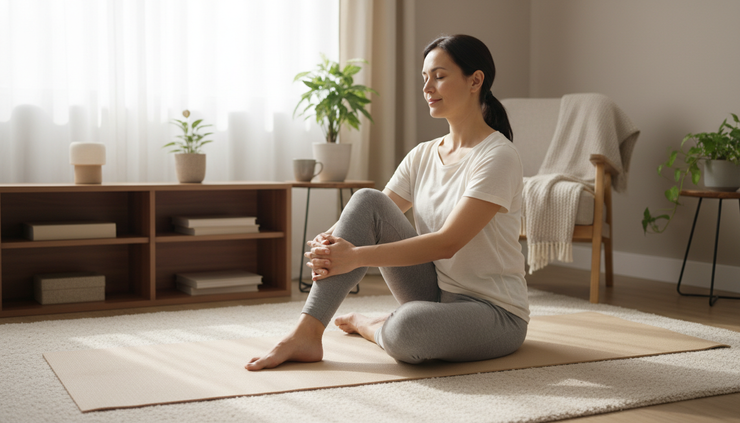
Why joints hurt in the first place
A joint is where two bones meet. Cartilage cushions the ends of the bones, ligaments help hold the joint steady, tendons connect muscle to bone, and surrounding muscles help control movement. Pain can start when any part of this system becomes irritated, overloaded, injured, inflamed, or worn down.
Common reasons for joint pain include:
Muscle weakness that puts extra stress on the joint
Overuse from repeated motions or sudden increases in activity
Sprains, strains, or impact injuries
Arthritis, including osteoarthritis or inflammatory forms
Poor movement patterns or limited flexibility
Long periods of sitting or inactivity
Excess body weight adding load to weight-bearing joints
Footwear that does not support the activity
Poor sleep, stress, and slow recovery
Pain is also not always a perfect measure of damage. A stiff, irritated joint can hurt even when there is no serious injury. By contrast, some joint conditions can progress slowly with mild symptoms at first. This is why patterns matter.
Pay attention to when pain appears, what makes it worse, and what helps. Morning stiffness, swelling after activity, sharp pain with twisting, or pain that improves with gentle movement can all point in different directions.
When joint pain needs medical attention
Some aches can be managed at home for a short time. Others need prompt care.
Seek medical help soon if joint pain comes with:
Sudden swelling after a fall, twist, or impact
A joint that looks deformed or cannot bear weight
Redness, heat, fever, or feeling very unwell
Numbness, tingling, or weakness
Pain that wakes you repeatedly at night
Symptoms that last more than a couple of weeks despite rest and basic care
A locked joint that cannot fully bend or straighten
Repeated flare-ups in the same area
A clinician may check range of motion, strength, tenderness, swelling, walking pattern, and medical history. In some cases, imaging or blood tests may help. Getting the right diagnosis matters because treatment for a tendon irritation, arthritis flare, ligament injury, or inflammatory condition can differ.
Calm a painful joint without making it weaker
When pain flares, the first instinct is often to stop moving completely. Short rest can help, especially after an injury. Long rest can backfire. Joints depend on movement to stay nourished, and muscles weaken quickly when they are not used.
A better plan is relative rest. Reduce the activity that aggravates the joint, but keep doing movements that feel safe and controlled.
For the first few days of a flare-up, use these basics.
What to try | When it helps | How to use it safely |
Cold therapy | New swelling, heat, or sharp irritation | Apply a wrapped cold pack for short periods. Do not place ice directly on skin. |
Heat therapy | Stiffness, muscle tension, or old aches | Use gentle warmth before movement. Avoid heat on a hot, swollen joint. |
Gentle range of motion | Stiff joints that feel guarded | Move slowly through a comfortable range. Stop before sharp pain. |
Activity changes | Pain caused by repeated loading | Shorten sessions, reduce resistance, or switch to low-impact options. |
Compression or support | Mild swelling or a joint that feels unstable | Use a comfortable brace or sleeve without cutting off circulation. |
Over-the-counter pain relievers may help some people, but they are not right for everyone. Nonsteroidal anti-inflammatory drugs, such as ibuprofen or naproxen, can interact with health conditions and medications. Acetaminophen also has safety limits. A pharmacist or clinician can help with safer choices.
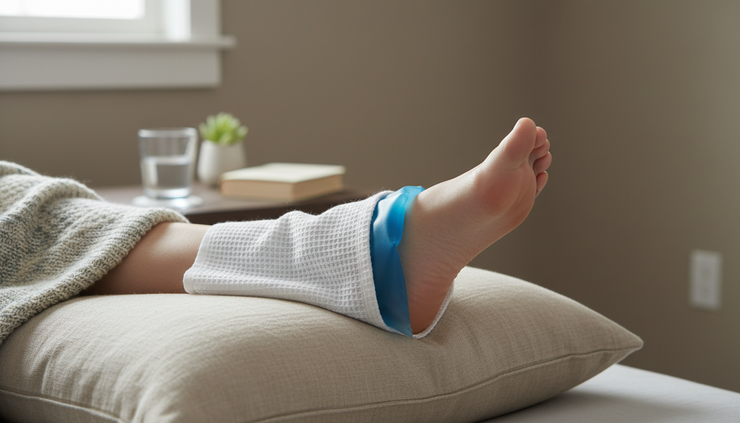
Move in ways that support recovery
Movement is one of the most useful tools for joint pain relief and prevention when it is matched to the person and the condition. Good movement brings blood flow to the area, reduces stiffness, and helps the muscles around the joint do their job.
The key is to start small. Pain during exercise should stay mild and settle after the activity. If pain spikes and lingers into the next day, the joint may need less load, fewer repetitions, or a different exercise.
Start with range of motion
Range-of-motion exercises keep a joint moving without heavy stress. These are often helpful during early recovery or on stiff days.
Examples include:
Slow shoulder circles
Heel slides for knees
Ankle circles
Gentle wrist bends
Hip swings while holding a stable surface
Opening and closing the hands
Move slowly. Do not force the end range. A comfortable stretch or mild pull is different from sharp pain.
Add strength gradually
Strong muscles protect joints. Weak hips can add strain to knees. Weak thighs can make stairs harder. Weak shoulder blade muscles can contribute to shoulder irritation. Building strength helps spread load more evenly.
Good starter options include:
Sit-to-stand practice from a chair
Wall push-ups
Step-ups on a low step
Glute bridges
Calf raises
Light resistance band rows
Side-lying leg raises
Start with a small number of repetitions. Focus on smooth control. Increase slowly once the movement feels easy and pain stays calm.
Choose low-impact cardio
Cardio helps circulation, mood, sleep, and weight management. For sore joints, low-impact choices are often better than pounding activities.
Helpful options include:
Walking on even ground
Cycling
Swimming or water walking
Elliptical training
Rowing, if it does not irritate the back, hips, or knees
The best activity is one that feels repeatable. Ten minutes done often is better than one hard session that causes a flare.
Reduce daily strain on painful joints
Joint recovery does not happen only during exercise. Daily habits can either calm pain or keep feeding it.
Small changes often make a large difference.
Break up repeated stress
Many joint pains worsen with repeated loading. That could mean typing for hours, kneeling in the garden, climbing stairs all day, gripping tools, or standing on hard floors.
Try changing the pattern:
Switch positions every 20 to 30 minutes when possible
Use both hands to carry heavier items
Keep frequently used objects within easy reach
Alternate heavier tasks with lighter tasks
Use padded gloves for gripping tasks
Use a cart, backpack, or bag with wide straps
Improve posture without getting rigid
Posture affects joint load, but perfect posture is not the goal. The body likes variety. Sitting tall all day without moving can still cause pain.
A useful approach is to change positions often. Stand for a while, sit for a while, walk briefly, then reset. Keep screens near eye level, avoid craning the neck, and let the shoulders relax.
Wear supportive footwear
Feet influence ankles, knees, hips, and the lower back. Shoes that are worn out, too narrow, or too unsupportive can increase strain during walking or workouts.
Look for shoes that match the activity. Walking shoes should feel stable and comfortable. Running shoes should suit running mechanics. If foot pain, flat feet, high arches, or recurring knee pain is part of the picture, a clinician may recommend specific supports or orthotics.
Support healing with food, sleep, and hydration
Pain recovery is not only a joint problem. The whole body participates.
Eat in a way that supports tissue repair
Food cannot cure most joint conditions on its own, but a balanced pattern can support recovery and general health.
A joint-friendly eating pattern often includes:
Colorful fruits and vegetables
Beans, lentils, nuts, and seeds
Whole grains
Fish or other protein sources
Olive oil and other unsaturated fats
Enough protein to support muscle repair
Enough calcium and vitamin D for bone health
Highly processed foods, frequent sugary drinks, and heavy alcohol use can make it harder to maintain energy, weight, sleep, and recovery. A steady, realistic eating pattern usually works better than a strict short-term plan.
Prioritize sleep
Poor sleep can make pain feel louder. Pain can also make sleep harder, creating a frustrating cycle.
To improve the odds of better rest:
Keep a consistent sleep and wake time
Use pillows to support sore joints
Limit heavy meals and alcohol close to bedtime
Keep the room cool and dark
Do a gentle wind-down routine
Avoid intense exercise right before bed if it keeps you awake
For hip or knee pain, a pillow between the knees may help side sleepers. For shoulder pain, hugging a pillow may reduce strain. For back and hip stiffness, some people feel better with a pillow under the knees while lying on the back.
Stay hydrated
Joint cartilage contains water, and hydration supports general tissue function. Drinking water will not erase arthritis or injury, but dehydration can worsen fatigue, cramps, and recovery. A simple guide is to drink regularly through the day and adjust for heat, activity, and sweat.
Build a practical recovery plan after a flare-up
Recovery works best when it has stages. Doing too much too soon can restart the pain cycle. Doing too little for too long can leave the joint weak and stiff.
Use this simple framework.
Stage one focuses on calming symptoms
During the first stage, reduce painful triggers and keep movement gentle.
Good signs include:
Less swelling
Easier movement
Better sleep
Less pain during daily tasks
Stay active within limits. Short walks, gentle mobility, and light household tasks may be enough.
Stage two rebuilds movement and strength
Once pain is calmer, add controlled exercise. Work on range of motion first, then strength. Keep sessions short and consistent.
A helpful rule is to increase only one thing at a time. Add distance, resistance, speed, or time, not all at once.
Stage three returns to normal activity
This stage prepares the joint for real life again. That may mean stairs, longer walks, sports, gardening, lifting, or job tasks.
Practice the actual movements you need, but scale them down first. A person returning to hiking might start with flat walks, then gentle hills, then uneven trails. A person returning to tennis might start with footwork and light hitting before full matches.
Prevent joint pain from coming back
Prevention is often less dramatic than treatment, but it is where the biggest long-term gains happen. Consistent small habits protect joints better than occasional bursts of effort.
Focus on these foundations.
Keep muscles strong
Strength training two or three times per week can help support joint health. It does not need to be extreme. Bodyweight exercises, resistance bands, light dumbbells, or machines can all work.
The best routine covers major areas:
Legs and hips
Core and trunk
Back and shoulders
Arms and grip
Balance and coordination
Warm up before harder activity
Cold, stiff joints do not love sudden intensity. A warm-up prepares muscles, raises body temperature, and helps movement feel smoother.
Try five to ten minutes of easy movement before harder work. Walk before jogging. Do light sets before lifting. Practice easy swings before a racket sport.
Increase activity gradually
Many flare-ups happen when the body gets a sudden workload jump. A weekend of heavy yardwork, a new running plan, or a long hike after months of inactivity can overload joints.
Build slowly. Give the body time to adapt. Rest days are part of progress, not a failure.
Maintain a comfortable body weight
Weight is not the only factor in joint pain, and people of all sizes can have painful joints. Still, for weight-bearing joints like knees, hips, ankles, and feet, reducing excess load can lower stress. Even modest changes may help some people move more comfortably.
Approach weight goals with care. Strength, nutrition, sleep, and sustainable habits matter more than harsh restriction.
Do not ignore early warning signs
A small ache is easier to manage than a major flare. If a joint starts complaining, adjust early.
Useful early steps include:
Reduce intensity for a few days
Check shoes or equipment
Return to mobility work
Add a rest day
Review recent changes in activity
Seek advice if symptoms keep returning

A simple weekly joint care routine
A joint care plan does not need to take over the week. It just needs to be repeatable.
Here is a simple example:
Day | Joint-friendly focus |
Monday | Strength training with controlled movements |
Tuesday | Easy walk and gentle stretching |
Wednesday | Low-impact cardio such as cycling or swimming |
Thursday | Light strength work and balance practice |
Friday | Restorative movement, mobility, or yoga |
Saturday | Longer walk, hike, or favorite active hobby |
Sunday | Rest, meal prep, and recovery habits |
Adjust the plan around pain levels, health conditions, and energy. If a joint is flaring, scale down. If things feel good for several weeks, increase gradually.
The takeaway for joint pain relief and prevention
Joint pain often improves when recovery and prevention work together. Calm the irritated joint, keep safe movement in the day, rebuild strength, support sleep and nutrition, then return to activity in stages.
The most useful plan is usually simple:
Move gently during painful periods
Strengthen the muscles around the joint
Use heat, cold, and support wisely
Avoid sudden jumps in activity
Make sleep and recovery part of treatment
Get medical help for severe, unusual, or lasting pain
Pain can make movement feel risky, but the right kind of movement is often part of the way back. Start small, listen to the joint, and build from there.


Comments