


Embracing Change: The Journey of Women's Bodies Beyond Size and Strength
Women’s bodies are remarkable in their ability to change and adapt throughout life. These changes reflect experiences, growth, and resilience rather than simply a number on a scale or a measure of physical power. Understanding this journey helps shift the focus from size to strength in a broader, more meaningful way. This post explores how women’s bodies evolve, why size does not define fitness or strength, and how embracing these changes leads to a healthier, more positive relationship with ourselves.

How Women’s Bodies Change Over Time
Women’s bodies undergo constant transformation from puberty through adulthood and into later years. These changes are influenced by genetics, lifestyle, hormonal shifts, and life events such as pregnancy or menopause. Recognizing these natural shifts helps us appreciate the body’s complexity and resilience.
Puberty and Adolescence
During puberty, the body develops curves, breasts, and wider hips. These changes prepare the body for potential childbearing and are often accompanied by emotional and psychological growth. This phase sets the foundation for body image that can impact self-esteem later in life.
Pregnancy and Motherhood
Pregnancy brings dramatic physical changes: weight gain, stretched skin, and altered posture. These changes support the growth of new life and require strength beyond what is visible. Postpartum bodies continue to evolve as they recover and adapt to new routines.
Menopause and Aging
Hormonal changes during menopause affect muscle mass, fat distribution, and bone density. Aging may bring slower metabolism and shifts in energy levels. These changes are natural and do not indicate weakness but rather a new phase of life requiring different care and attention.
Size Is Not a Reflection of Strength or Fitness
Many people equate size with health or fitness, but this is a misleading and harmful assumption. Strength and fitness are about what the body can do, not how it looks.
Strength Comes in Many Forms
Physical strength includes endurance, flexibility, balance, and muscle power. A smaller body can be incredibly strong and fit, while a larger body may face different challenges but still be healthy and capable.
Fitness Is Personal and Varied
Fitness goals differ widely. Some women focus on cardiovascular health, others on muscle building, and some on mental well-being through movement. None of these goals depend solely on body size.
Health Markers Matter More Than Size
Blood pressure, cholesterol levels, mental health, and energy levels provide better insight into health than weight or dress size. Regular check-ups and listening to your body are key.

Embracing the Journey: Practical Tips
Accepting and loving your body through its changes takes effort and intention. Here are some ways to support this journey:
Focus on What Your Body Can Do
Celebrate milestones like increased stamina, improved flexibility, or the ability to lift heavier weights. These achievements highlight strength beyond appearance.
Choose Movement You Enjoy
Exercise should be enjoyable, not punishment. Dancing, swimming, hiking, or yoga can all improve fitness and mood without focusing on weight loss.
Practice Mindful Eating
Nourish your body with foods that make you feel good and energized. Avoid restrictive diets that create stress and disconnect from hunger cues.
Seek Support and Community
Join groups or classes that promote body positivity and health. Sharing experiences helps normalize changes and builds confidence.
Challenge Negative Self-Talk
Replace criticism with kindness. Remind yourself that your worth is not tied to your size or shape.

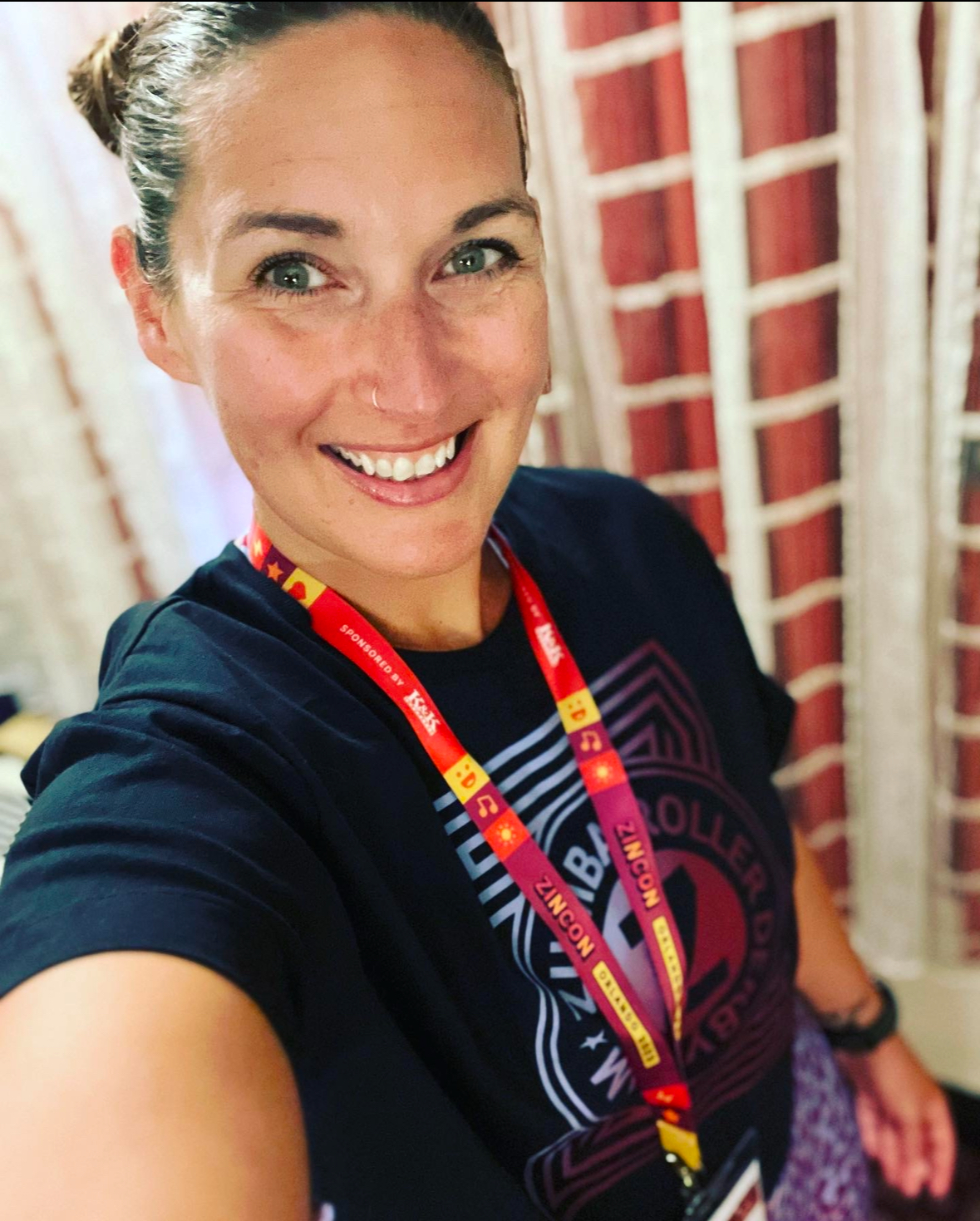
Caption: A woman embracing her body changes in nature, symbolizing strength beyond size.
Stories of Strength Beyond Size
Real-life examples show how women redefine strength on their own terms:
Maria’s Marathon Journey
Maria, a plus-size runner, completed her first marathon last year. She trained consistently, focusing on endurance and mental toughness. Her size did not stop her from achieving a major fitness goal.
Lena’s Postpartum Fitness
After giving birth, Lena embraced her body’s changes instead of rushing to lose weight. She practiced gentle yoga and walking, gradually rebuilding strength while honouring her body’s needs.
Aisha’s Menopause Transformation
Aisha found new energy through strength training during menopause. She noticed improved mood and bone health, proving that fitness evolves with age.
These stories highlight that strength is personal and multifaceted, not limited to appearance.
Changing the Conversation Around Women’s Bodies
Society often pressures women to conform to narrow beauty and fitness standards. Changing this narrative requires collective effort:
Promote Diverse Body Images
Media and advertising should showcase women of all sizes, ages, and abilities to reflect real life.
Educate About Body Function
Schools and communities can teach about body changes and health beyond weight.
Encourage Self-Compassion
Mental health professionals and influencers can model kindness toward body changes.
Support Research on Women’s Health
More studies on diverse women’s bodies help improve guidelines and reduce stigma.

Moving Forward with Confidence
Women’s bodies tell stories of growth, resilience, and change. Size is only one aspect and does not define strength or fitness. By embracing the journey and focusing on what our bodies can do, we build a healthier relationship with ourselves.
Celebrate your body’s unique path. Choose movement and nutrition that feel good. Surround yourself with support that uplifts. This approach leads to lasting well-being and confidence.
Your body is your lifelong companion. Treat it with respect and kindness, and it will carry you through every stage of your journey.


Comments